


Looking for the perfect tool to make your jewelry photos pop with brilliance and detail?The best lens for jewelry photography is key to getting that clarity and visual magic.
Jewelry photography isn’t just snapping a picture; it’s capturing texture, sparkle, and shine.Every curve of a ring or cut of a gem demands the sharpest lens and precise focus.
Many beginners struggle to shoot fine details without losing sharpness or introducing glare. Without the right lens, even the most beautiful jewelry can look flat or unclear in photos.
Whether you’re using Canon, Nikon, Sony, or even an iPhone, we’ve got you covered.You’ll learn how to make close-up shots crisp, vibrant, and ready for commercial use.
Let’s simplify the jargon and help you choose the lens that meets your jewelry product photography goals.
Jewelry photography demands close-up clarity — and macro lenses deliver just that.
A macro lens is specifically engineered to focus sharply on tiny subjects up close.
It allows you to capture texture, engraving, sparkle, and intricate details clearly.
One standout feature of a true macro lens is its 1:1 magnification ratio.
This means the jewelry item appears at actual size on your camera’s sensor.
Such accuracy helps produce crisp, lifelike product images that need little editing.
Standard lenses struggle to keep sharp focus when positioned too close to a subject.
Macro lenses eliminate this issue, allowing you to shoot within inches of a ring or pendant.
You get edge-to-edge sharpness and soft background blur to highlight the item’s details.
Most pros recommend a focal length between 60mm and 105mm for jewelry photography.
Lenses in this range give you working distance, minimize distortion, and capture clean frames.
You’ll be able to shoot with better lighting control and avoid casting shadows on the product.
Industry expert Tom Crowl notes that a macro lens is “non-negotiable” for jewelry shots.
He emphasizes that macro lenses are the single most important investment for this genre.
Without one, capturing the sparkle and craftsmanship of jewelry is nearly impossible.
When choosing the best lens for jewelry photography, understanding key technical features is essential.
Let’s break down the four most important lens attributes for photographing jewelry effectively.
Focal length affects how close you can get and how your subject appears in the frame.
Shorter focal lengths like 60mm are versatile but may introduce distortion at close range.
Longer lenses like 100mm or 105mm give more working distance, reducing glare and distortion.
Aperture determines how much light your lens lets in and how much is in focus.
A wide aperture like f/2.8 allows shallow depth of field and creates a soft bokeh background.
This makes jewelry pieces stand out beautifully against a blurred, non-distracting backdrop.
Image stabilization helps eliminate blur caused by small hand movements during shooting. Especially helpful in handheld or low-light situations, this feature ensures sharp and stable shots.
Autofocus is also critical when photographing tiny, detailed subjects like gemstones or chains.
Lenses with fast and accurate autofocus systems make it easier to lock onto small features.
Choosing a best camera lens for jewelry photography with these features will instantly elevate the quality of your jewelry photography.
The Canon EF 100mm f/2.8L Macro IS USM is the best canon macro lens for jewelry photography.
It delivers exceptional image quality with 1:1 magnification, ideal for close-up detail shots. This lens is known for its razor-sharp focus and stunning edge-to-edge clarity.
What makes it even more appealing is its Hybrid Image Stabilization system.
This reduces camera shake during handheld macro shooting, which is common with tight framing.
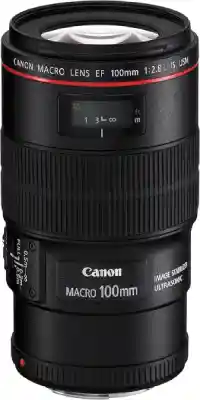
Why to choose: You can confidently shoot rings or pendants handheld without sacrificing sharpness.
According to Tom Crowl, this Canon macro lens is incredibly versatile and professional-grade.
He notes it works seamlessly with both EF and RF mounts using Canon adapters.
Build Quality: The lens’s solid build quality includes weather sealing and premium glass elements. Its durable design ensures long-term use and reliability in various lighting setups.
Cost: Roughly $1,200 USD, depending on location and seasonal deals.
Pros
Cons
The Canon EF-S 60mm f/2.8 Macro USM is ideal for APS-C users seeking the best canon lens for jewelry photography.
Its compact size, affordability, and true 1:1 magnification make it excellent for close-up shots.
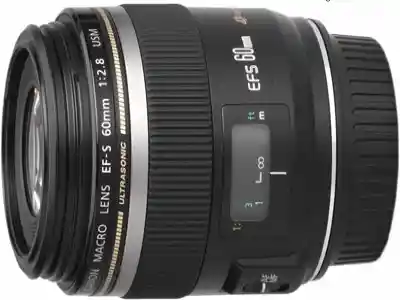
Why to choose:: Built specifically for Canon crop-sensor DSLRs, it delivers superb detail in a lighter, smaller package.
You can easily capture gemstone facets and metal textures without the bulk of larger lenses.
The lens offers crisp autofocus, helping beginners create sharp, detailed close-up jewelry photography.
It delivers professional quality on a budget, which is great for new jewelry photographers.
Build Quality: The lens construction is strong, with solid internal focus and smooth manual override when needed. It feels balanced on smaller bodies, which improves comfort during long photo sessions.
Cost:Around $450–$500 USD, depending on online availability and promotions.
This is one of the best lens for jewellery photography if you’re starting with a Canon crop-sensor camera.
Pros
Cons
The best lens for jewelry photography Nikon shooters often recommend is the Nikon AF-S VR Micro-NIKKOR 105mm f/2.8G IF-ED.
Its vibration reduction technology is a major advantage for handheld macro shots. It eliminates camera shake and helps deliver incredibly sharp jewelry images.
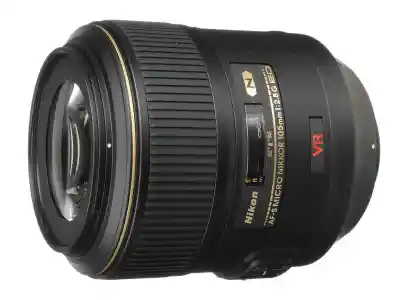
Why to choose: This lens provides true 1:1 magnification, making it perfect for extreme close-ups.
You can focus on every detail of the gemstone cuts and metal textures with stunning precision. It’s ideal for product photographers who work with rings, earrings, and pendants.
This is considered by many professionals the best lens for shooting jewelry, especially when you require clarity and sharpness from edge to edge.
The focal length of 105mm also provides a comfortable working distance and helps reduce light reflection from jewelry surfaces.
Build Quality: The lens boasts a solid build quality, with weather sealing for professional use.
The wide f/2.8 aperture creates beautiful bokeh, which makes jewelry pieces pop in the frame.
Average Cost in the US: $896 – $999
Pros
Cons
When you’re just getting started in jewelry photography, the Nikon AF-S DX Micro-NIKKOR 40mm f/2.8G is an excellent choice.
It’s one of the best macro lens for jewelry photography Nikon offers in the budget segment—affordable, lightweight, and beginner-friendly.

Why to Choose: Despite its lower price, this lens delivers 1:1 magnification, allowing you to shoot fine details like gemstone facets and prong settings with clarity.
While the shorter 40mm focal length means you’ll need to get closer to your subject, it works well for controlled environments and tabletop studio setups.
This lens is particularly useful for photographers using Nikon DX-format (APS-C) cameras.
It offers impressive sharpness, fast autofocus, and natural background blur with its wide f/2.8 aperture.
The best Nikon lens for jewelry photography doesn’t always have to be the most expensive—this one proves that.
Build Quality: In terms of build quality, it features a durable plastic body with a metal mount. It feels compact and solid in hand, ideal for long shoots without fatigue.
Average Cost in the US:$276 – $299
Pros
Cons
If you’re searching for the best Sony lens for jewelry photography, the Sony FE 90mm f/2.8 Macro G OSS easily stands out.
It offers stunning edge-to-edge sharpness, lifelike color, and a 1:1 magnification ratio that reveals every intricate detail in jewelry shots.
One of its key strengths is Optical Steady Shot (OSS), which reduces motion blur during handheld macro work.
This is especially useful for fine adjustments when shooting gemstones or reflective surfaces.
It’s built for Sony full-frame E-mount cameras and works seamlessly with models like the Sony A7R V and A7 IV.
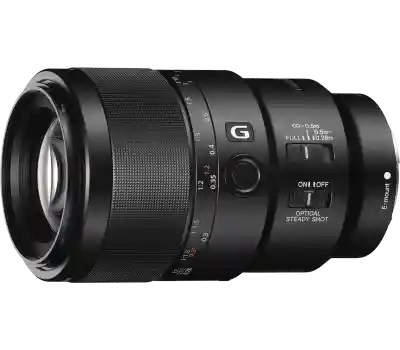
Why to choose:Why is this the best lens for jewelry photography Sony users can trust? Because it combines incredible sharpness, minimal distortion, and excellent bokeh in a compact form.
It also features an intuitive focus lock button and a sliding focus ring for manual/auto control.
Build quality is exceptional.The lens barrel is made from durable, weather-sealed metal, ideal for long-term studio use.
It feels premium and is balanced even on lighter mirrorless camera bodies.
Cost in USD:Around $1,098 – $1,198 depending on retailer
Pros
Cons
Looking for the best micro lens for jewelry photography that balances quality and budget?
The Sony FE 50mm f/2.8 Macro Lens is an affordable, lightweight, and powerful tool ideal for beginners and pros alike.
Its compact design makes it perfect for smaller studio setups or tabletop shoots.
This lens provides a true 1:1 magnification, meaning it captures actual-size subjects with exceptional clarity.
It’s especially effective for photographing rings, earrings, and small pendants with fine engravings or reflective stones.
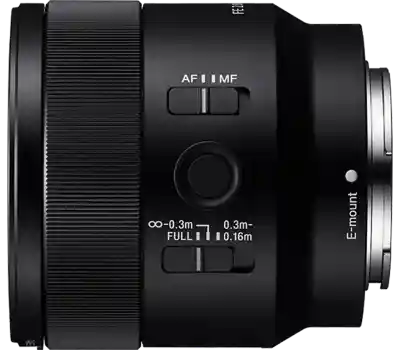
Why choose:Because it delivers impressive close-up detail without distortion, and is easy to use even on a handheld setup.
It’s compatible with full-frame E-mount Sony cameras and performs well even in limited lighting.
Build quality:It is sturdy and minimalistic.
Though not weather-sealed, it has a solid feel and a refined focus ring for manual precision. Its smaller size also makes it travel-friendly for on-location jewelry shoots.
Cost in USD: Around $548 – $598
Pros
Cons
Best Light Box For Jewelry Photography
Secrets RevealedIf you’re looking for a versatile and budget-friendly option, the Sigma 105mm f/2.8 EX DG OS HSM Macro is a strong contender for the best micro lens for jewelry photography across various camera brands.
This lens features a 1:1 magnification ratio, allowing you to capture true-to-life size images of intricate jewelry items like gemstone rings, filigree necklaces, or finely detailed bracelets.
Its optical stabilization system (OS) helps reduce blur during handheld shooting—especially useful in compact jewelry studios where tripods may be cumbersome.
One of its major advantages is broad compatibility. The Sigma 105mm is available for Canon, Nikon, Sony, and Sigma mounts, making it one of the most accessible options in the macro lens for jewelry photography category.
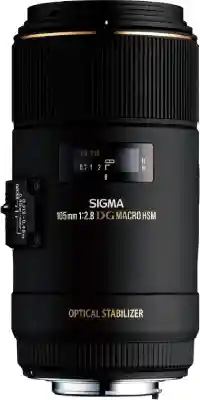
Why choose: For its blend of sharpness, stabilization, and price, it’s hard to beat. It’s particularly effective in isolating jewelry pieces with creamy bokeh and minimal distortion.
Build Quality: The lens body is rugged and durable, featuring a matte finish and a solid focus ring for smooth manual control.
Though not fully weather-sealed, it’s reliable for controlled indoor shoots.
Cost in USD:Approx. $569 – $649
Pros
Cons
When it comes to capturing the sparkle, shine, and intricate craftsmanship of fine jewelry, the Tamron SP 90mm f/2.8 Di VC USD Macro easily ranks among the best lens for jewelry photography available today.
This macro lens offers 1:1 magnification and delivers ultra-sharp image quality, which is essential for highlighting the fine textures and details in close-up jewelry shots.
Its Vibration Compensation (VC) technology reduces camera shake, allowing for sharper handheld captures even at slower shutter speeds—ideal for shooting reflective surfaces without a tripod.
What makes this lens even more compelling is its versatility. Whether you’re shooting rings, pendants, or earrings, this lens offers minimal chromatic aberration and edge-to-edge sharpness, ensuring consistently professional results.
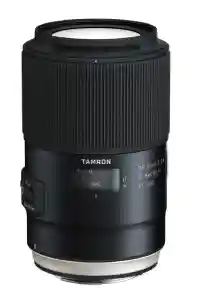
Why chooseIt’s the best micro lens for jewelry photography for both beginners and advanced users who want dependable performance with exceptional optical precision.
Build QualityThe Tamron 90mm features a moisture-resistant construction, robust housing, and a responsive focus ring.
It feels premium in hand, yet remains lightweight and easy to maneuver during long sessions.
Cost in USD:Approx. $649 – $749
Pros
Cons
If you’re a Fujifilm shooter looking for elite performance in close up jewelry photography, the Fujifilm XF 80mm f/2.8 R LM OIS WR Macro is a top-tier choice.
It delivers sharp detail, vivid colors, and true-to-life textures right out of the camera.
This lens features 1:1 magnification, which is vital when capturing the delicate sparkle and fine engravings of jewelry pieces.
The 80mm focal length offers a comfortable working distance, helping reduce shadows and reflections—essential when lighting small reflective items.
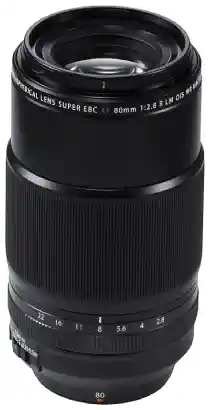
Its optical image stabilization (OIS) allows you to shoot handheld at slower shutter speeds, reducing blur while maintaining detail.
The linear motor (LM) also ensures fast and silent autofocus performance, perfect for studio and real-time client sessions.
Why Choose:This is the best lens for shooting jewelry if you’re using a Fujifilm X-mount system and want precise, high-resolution close-up shots with a creamy background blur.
Build Quality:Constructed with weather resistance, a metal barrel, and a solid focus ring, this lens is both durable and ergonomically sound for extended use.
Cost in USD:Approx. $1,199 – $1,299
Pros
Cons
The Fujifilm XF 60mm f/2.4 R Macro is a compact, lightweight option for jewelry photographers using Fujifilm X-mount cameras.
It’s widely appreciated for its sharpness, color accuracy, and elegant bokeh that enhances the beauty of fine jewelry.
Although it provides 0.5x magnification (not full 1:1), this lens still delivers enough closeness and clarity for most jewelry product photography needs, especially rings, pendants, and earrings.
It’s highly praised for delivering the best lens for jewellery photography in the mid-range Fujifilm lineup.
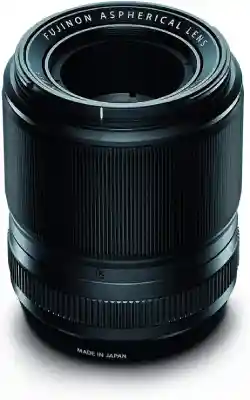
Its 60mm focal length offers a comfortable distance from the subject while maintaining excellent detail.
Combined with the fast f/2.4 aperture, it gives a soft background blur and good control over depth of field.
Why Choose:If you’re seeking portability and sharp output at a lower price point, this is a best micro lens for jewelry photography—especially for beginner photographers entering the macro space.
Build Quality:It features a robust, all-metal body and precise manual focus ring, offering a premium feel with lasting durability.
Cost in USD:Approx. $599 – $649
Pros
Cons
Jewelry Background Photography Ideas
16 Creative Backgrounds You Never HeardSmartphone cameras have improved dramatically, but shooting jewelry product photography still requires added precision.
For close-up jewelry shots, you’ll need a specialized macro lens that works with your iPhone.
Moment Macro Lens is the best iPhone lens for jewelry photography, praised by mobile photographers for its sharpness and ease of use.
It delivers crisp, edge-to-edge detail and creates beautiful background separation—perfect for rings, pendants, and gemstones.

Why Choose:The Moment Macro Lens clips easily onto your phone via a Moment case or MagSafe mount.
It offers 10x magnification, which is ideal for capturing the texture, shine, and sparkle of jewelry items without distortion.
Pros
Cons
| Lens Name | Mount Type | Magnification | Focal Length | Price (USD) | Best For |
|---|---|---|---|---|---|
| Canon EF 100mm f/2.8L Macro IS USM | Canon EF / RF | 1:1 | 100mm | $1299 | Professionals needing sharp results |
| Canon EF-S 60mm f/2.8 Macro USM | Canon APS-C | 1:1 | 60mm | $499 | Beginners on APS-C bodies |
| Nikon AF-S VR Micro-NIKKOR 105mm f/2.8G | Nikon FX / DX | 1:1 | 105mm | $896 | Detail-oriented Nikon users |
| Sony FE 90mm f/2.8 Macro G OSS | Sony Full-Frame E | 1:1 | 90mm | $998 | Full-frame Sony shooters |
| Sony FE 50mm f/2.8 Macro | Sony E-Mount | 1:1 | 50mm | $548 | Lightweight & budget-friendly use |
| Sigma 105mm f/2.8 EX DG OS HSM | Canon/Nikon/Sony | 1:1 | 105mm | $569 | Multi-brand flexibility |
| Tamron SP 90mm f/2.8 Di VC USD Macro | Canon/Nikon | 1:1 | 90mm | $649 | Balanced budget and quality |
| Fujifilm XF 80mm f/2.8 R LM OIS WR Macro | Fujifilm X-Mount | 1:1 | 80mm | $1,199 | Premium Fuji option |
| Fujifilm XF 60mm f/2.4 R Macro | Fujifilm X-Mount | 0.5x | 60mm | $649 | Compact and affordable |
| Moment Macro Lens | iPhone (MagSafe) | 10x | N/A | $129 | On-the-go iPhone macro shots |
Studio Setup and Equipment
We used the Canon EF 100mm f/2.8L Macro IS USM, a full-frame DSLR, and a basic two-light setup.
Softboxes on both sides ensured even lighting with minimal harsh reflections. A white acrylic background was used to reflect light and enhance shine.
Lens Choice and Performance
The Canon EF 100mm macro is the best canon lens for jewelry photography. Its 1:1 magnification revealed fine engraving on silver rings, while its hybrid image stabilization kept shots sharp, even handheld.
The lens also worked well with both EF and RF mounts.
Camera Settings and Distance
We shot at f/8 to maximize depth while keeping the bokeh soft.
The 100mm focal length gave enough distance to avoid reflections. ISO stayed at 100, and a tripod kept things steady. A 2-second timer minimized shake during exposure.
Lighting and Detail Control
Proper lighting is crucial in close up jewelry photography. We used reflectors to bounce soft light into crevices of gemstones.
The lens handled shine control and sparkle extremely well, giving polished results straight out of the camera.
Final Result and Observations
The macro lens delivered exceptional clarity and focus. Even without post-processing, the images showed brilliant reflections, metal textures, and stone cuts.
This proves why it’s the best lens for shooting jewelry, especially for eCommerce and portfolio display.
Capturing professional jewelry images requires precision, patience, and the right tools.
Lighting, background, camera settings, and stability all play crucial roles in producing visually stunning results.
The best camera, lens or setting is not only considered to generate the best jewelry photography but you also need to study some experts’ style & portfolio to understand how to photograph jewelry as well.
Lighting is one of the most vital elements. Direct light causes harsh shadows and reflections on shiny surfaces.
Instead, use diffused lighting with softboxes, light tents, or LED panels to ensure even illumination. This setup helps reveal the fine textures and details without glare.
Your background and props should always enhance, not distract. Use neutral backgrounds like white, black, or gray to let the jewelry stand out.
Incorporate minimal props like stones or fabrics that complement the piece and keep the focus on the subject.

Adjusting your camera settings is also key. Use a narrow aperture (like f/8 to f/11) for better depth of field, keeping the entire piece in focus.
A slower shutter speed (1/60 to 1/125) and a low ISO (100–200) will produce sharp, noise-free images—especially when using the Best Camera For Jewelry Photography.
Finally, stability matters. A sturdy tripod paired with a remote shutter or timer helps avoid camera shake.
This setup works best when using a dedicated jewelry lens, particularly macro options.
Remember, pairing the best lens for jewelry photography with proper lighting and stability makes all the difference.
Choosing the best lens for jewelry photography depends on your shooting environment and the specific characteristics of the jewelry.
Different setups demand different features from your lens.
Studio vs. Natural Light:In a controlled studio environment with artificial lighting and softboxes, macro lenses with longer focal lengths like a 90mm or 105mm are ideal.
Studio vs. Natural Light:In a controlled studio environment with artificial lighting and softboxes, macro lenses with longer focal lengths like a 90mm or 105mm are ideal.
They allow you to shoot from a distance while capturing fine detail, avoiding lens shadows and reflections.
For natural light, especially near windows, a 50mm macro lens can work well if paired with a reflector or diffuser to control highlights.
Handheld vs. Tripod Setups:If you’re shooting handheld, consider a macro lens with image stabilization or vibration reduction—such as the Nikon 105mm VR or Sony 90mm OSS.
Studio vs. Natural Light:In a controlled studio environment with artificial lighting and softboxes, macro lenses with longer focal lengths like a 90mm or 105mm are ideal.
These reduce blur caused by hand movement. For tripod setups, which are recommended for precision and consistency, you can use any macro lens with manual focus capabilities to fine-tune detail and sharpness without camera shake.
Reflective Metals vs. Gemstones:Jewelry made of reflective metals like gold and silver can cause hot spots and glare.
A longer focal length macro lens helps maintain distance and minimizes reflections.
For gemstones, especially those with intricate facets, a high-resolution lens like a Canon 100mm or Sigma 105mm macro will capture brilliance and sharp edges without distortion.
Selecting the best lens for jewelry photography means matching lens strengths with your creative and technical needs in each scenario.
While selecting the best lens for jewelry photography is crucial, pairing it with the Best Camera For Jewelry Photography truly enhances results.
The right camera body can elevate clarity, dynamic range, and precision in macro shots.
Canon Pairings:
The Canon EOS R or R5 delivers excellent detail with high-resolution sensors and advanced autofocus.
Pair them with the Canon RF 100mm f/2.8L Macro IS USM for superior sharpness and 1.4x magnification, making it a top combination.
Nikon Pairings:
The Nikon Z6 II and Z7 II mirrorless bodies are highly favored for product photography.
When combined with the Nikon AF-S VR Micro-NIKKOR 105mm f/2.8G IF-ED via an FTZ adapter, you get excellent stabilization and rich detail—perfect for reflective jewelry pieces.
Sony Pairings:
Sony’s A7 III, A7R IV, and A7R V models are excellent for jewelry photography due to their outstanding resolution and color accuracy.
Match them with the Sony FE 90mm f/2.8 Macro G OSS—one of the best lens for jewelry photography in Sony’s lineup.
iPhone Tips:
Even smartphones can deliver stunning images. The iPhone 15 Pro Max combined with a Moment Macro Lens attachment offers 10x magnification and great detail.
Use natural light with reflectors and a mini tripod for Best Camera For Jewelry Photography results from your pocket.
Creating flawless jewelry images demands attention to detail and technique.
Even with the best lens for jewelry photography, common pitfalls can degrade your final result. Let’s explore what to avoid.
Overexposure or Underexposure:
One of the top issues in jewelry photography is improper exposure.
Overexposed images may lose gemstone details, while underexposure dulls metal luster. Use histogram tools and test shots to ensure accurate brightness.
Ignoring Reflections:
Jewelry is highly reflective. If not managed, light reflections or your own silhouette may show in the image.
Using a light tent and diffused lighting helps eliminate unwanted glares, ensuring a clean presentation.
Inadequate Focus:
A blurry diamond or soft metal edge ruins the image, regardless of lighting or camera.
Use a tripod and manual focus if needed to ensure pin-sharp clarity—especially important when using the best lens for shooting jewelry like a macro 100mm or 90mm.
Cluttered Backgrounds:
Bold props or messy surroundings pull attention away from the product.
Stick to neutral, clean backgrounds that highlight the piece—this ensures your work looks professional and compelling.
Remember, even the best lens for shooting jewelry can’t compensate for poor setup. Mastering these details sets your photos apart in a competitive market.
Choosing the best lens for jewelry photography is not just a technical decision—it’s the key to capturing sparkle, precision, and fine details that define professional-quality results.
Whether you’re shooting diamond rings or gemstone earrings, the right jewelry lens will help highlight every curve and facet beautifully.
Before buying, always assess your unique needs.
Are you a beginner using natural light or a studio expert with diffused lighting?
Consider your working space, preferred style, and level of control.
Your choice should also align with your camera system—mirrorless, DSLR, or smartphone—and the type of work you handle most frequently.
Jewelry Retouching is essential after jewelry photography to remove dust, scratches, and unwanted reflections.
Even professional lighting can’t capture perfect results alone.
Retouching enhances color accuracy, sharpness, and brilliance, ensuring your images look flawless and ready for catalogs, e-commerce stores, or high-end marketing materials.
For those just getting started, affordable and reliable options like the Sony FE 50mm f/2.8 Macro or Canon EF 100mm f/2.8L Macro IS USM offer excellent value.
If you’re using a phone, a Moment macro lens makes for a great best iPhone lens for jewelry photography starter.
For experienced photographers, brands like Nikon, Fujifilm, and Sigma provide high-end macro lenses for ultra-detailed close-ups.
In summary, invest in the best lens for jewelry photography that fits your workflow.
Your lens is your creative eye—so choose wisely, test thoughtfully, and keep learning as you shoot.
The best lens for jewelry photography is a dedicated macro lens with a 1:1 magnification ratio.
Lenses like the Canon EF 100mm f/2.8L Macro IS USM or the Nikon AF-S VR Micro-Nikkor 105mm f/2.8G IF-ED provide excellent sharpness, clarity, and depth—ideal for capturing intricate jewelry details.
Macro lenses between 90mm to 105mm are widely considered the best for jewelry photography.
They reduce distortion and offer comfortable working distances.
For example, the Sony FE 90mm f/2.8 Macro G OSS delivers professional-grade results with stunning detail and focus accuracy.
The best macro lens for jewelry photography offers image stabilization, sharp edge-to-edge clarity, and precise autofocus.
Models like the Tamron SP 90mm f/2.8 Di VC USD Macro and Sigma 105mm f/2.8 EX DG OS HSM Macro are trusted by many product photographers worldwide.
If you’re wondering which lens is best for jewelry photography, the answer depends on your camera system and style.
For Canon users, go for the Canon RF 100mm f/2.8L Macro IS USM.
Fujifilm shooters should consider the Fujinon XF 80mm f/2.8 R LM OIS WR Macro for top-tier performance.

Ron Jonas
About Author
Hi there, I’m Ronald Jonas – A photography specialist, Blogger. Portland, Oregon Area, USA.


prevacid tablets over the counter
prevacid tablets over the counter
lasix water pill 40 mg
lasix water pill 40 mg
vidalista 40 mg kopen
vidalista 40 mg kopen
high dose oral semaglutide for weight loss
high dose oral semaglutide for weight loss
finpecia 1mg review
finpecia 1mg review
finasteride (proscar) dosage
finasteride (proscar) dosage
metronidazole cream .75 side effects
metronidazole cream .75 side effects
minoxidil dry mouth
minoxidil dry mouth
semaglutide and liraglutide
semaglutide and liraglutide
ketoconazole mechanism
ketoconazole mechanism
ketorolac for migraine
ketorolac for migraine
sildenafil online verification
sildenafil online verification
vardenafil vs sildenafil pharmacology
vardenafil vs sildenafil pharmacology
medical review expertise
medical review expertise
Sildenafil vs vardenafil study summary
Sildenafil vs vardenafil study summary